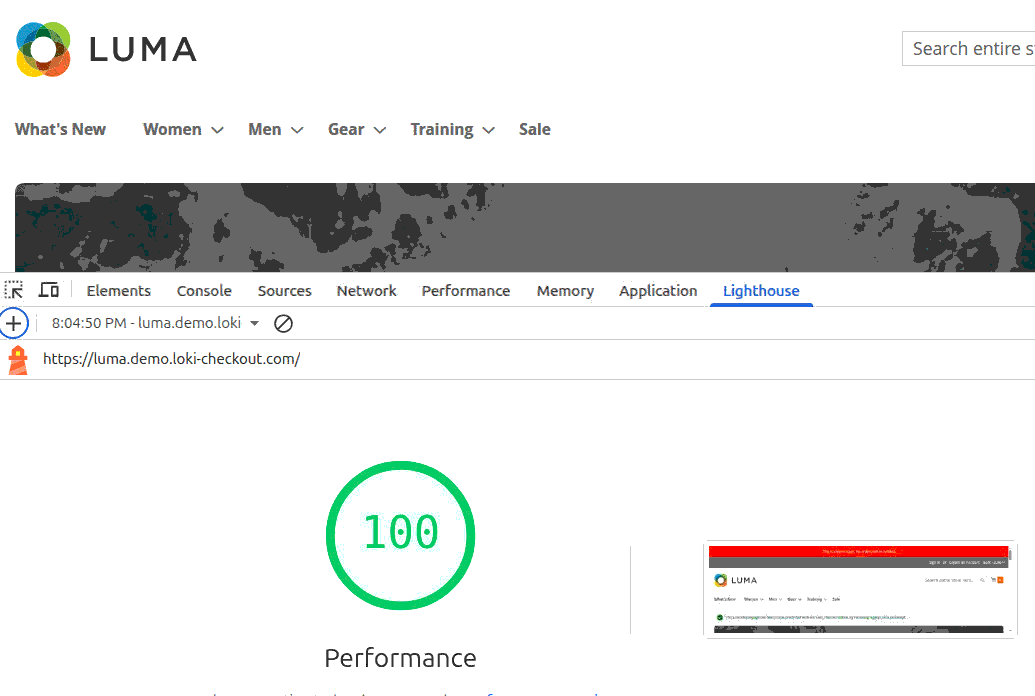
Loki Checkout versus Luma Checkout
When Magento 2 came out, the Luma Checkout shipped with it. And this only seemed a reason why everyone stuck with this bloated JS-heavy checkout. Even worse, all checkout extensions after this based their own code upon the same JS legacy. With the Loki Checkout, we have built a new checkout (and accompanying reactivity framework) from scratch. And it works under Luma.
Higher performance
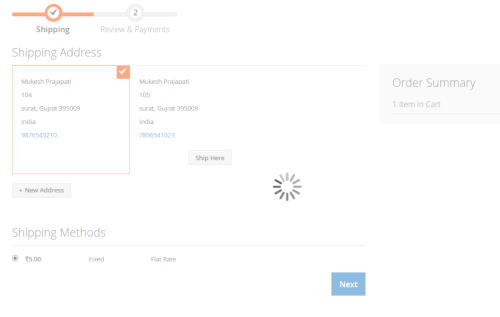
The Luma Checkout is notorious for its JavaScript-heavy architecture. It is not common to load more thna 3Mb of JavaScript on a checkout page. And on mobile devices, this is deadly. In contrast, the Loki Checkout is designed to be as lightweight as possible, shipping with only Alpine.js (46Kb).
It is time to say bye bye to the biggest loader of all.
Less developer complexity
While Magento 2 is a complex application on its own, the KnockoutJS architecture used in the checkout is extremely difficult to get right: Importing & exporting properties in between KnockoutJS ViewModels, child-template renders, the logic of AJAX calls, observing ViewModels, etcetera.
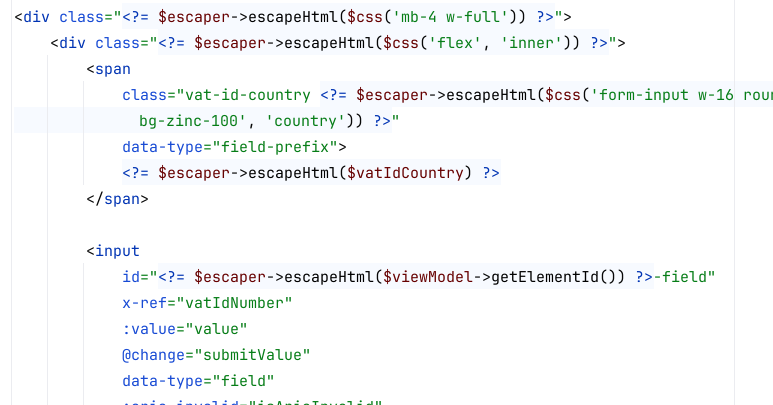
The Loki Checkout comes up with a totally different architecture, where layout-based blocks are turned into Alpine.js-driven components. Customizing things is frequently only needed via the XML layout. Debugging is straight-forward as well.
On top of this, the CSS utility $css() allows for changing TailwindCSS classes via the XML layout, without the need to override PHTML templates.
Loki Theme Kit
The Loki Theme Kit for Luma makes it possible to remove all legacy JavaScript (KnockoutJS, Require.js, jQuery and much more) and replace it with simple Alpine.js components. There is no need to migrate towards another frontend (like Alokai or Hyvä Themes), the Loki Theme kit simply makes sure that your checkout is loading as fast as possible.
The Loki Theme Kit even makes it possible to optimize other Luma pages like CMS pages, product pages and category pages. Obtaining high Core Web Vitals cores is no longer an issue.