Unlock the most powerful
Magento checkout
Experience seamless integration and performance
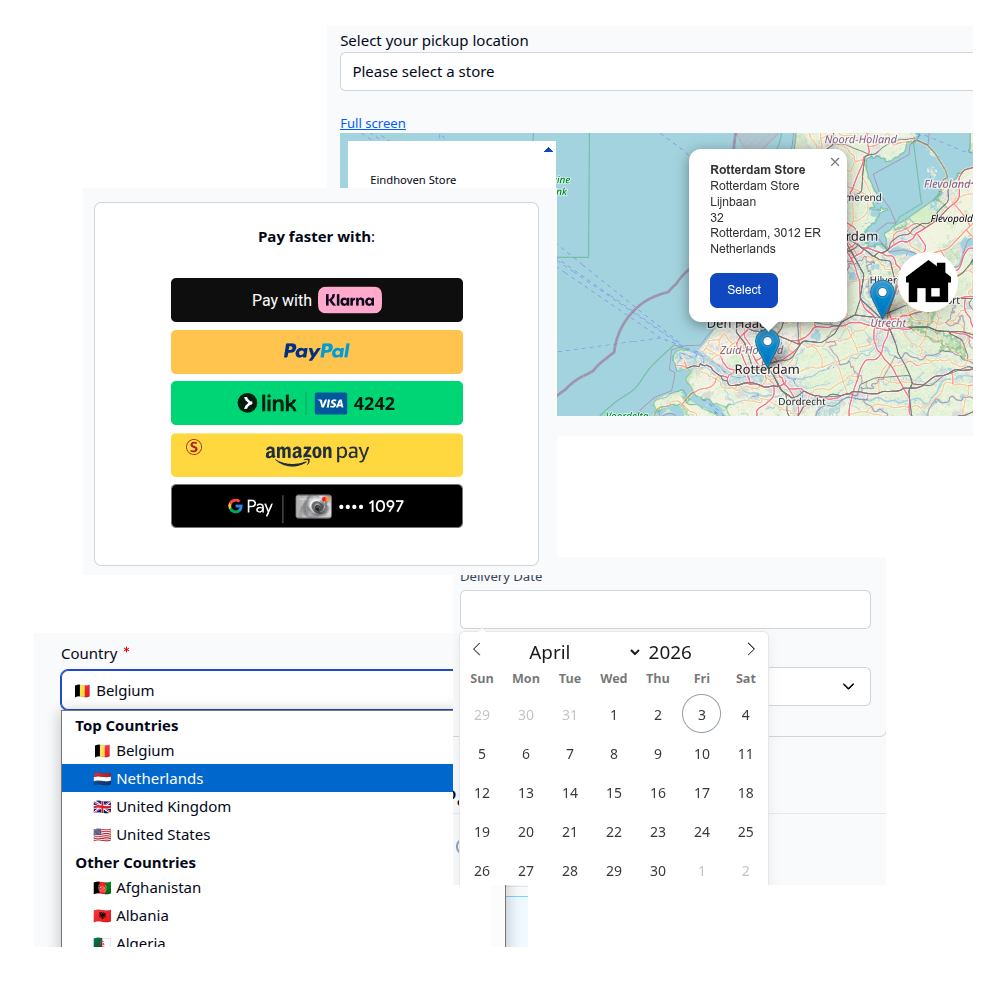
We think you are going to love the Loki Checkout: Not only do we cover the basics, like performance and customizability. But we also made sure to build already the most frequently used tools for you.
Based on Loki Components
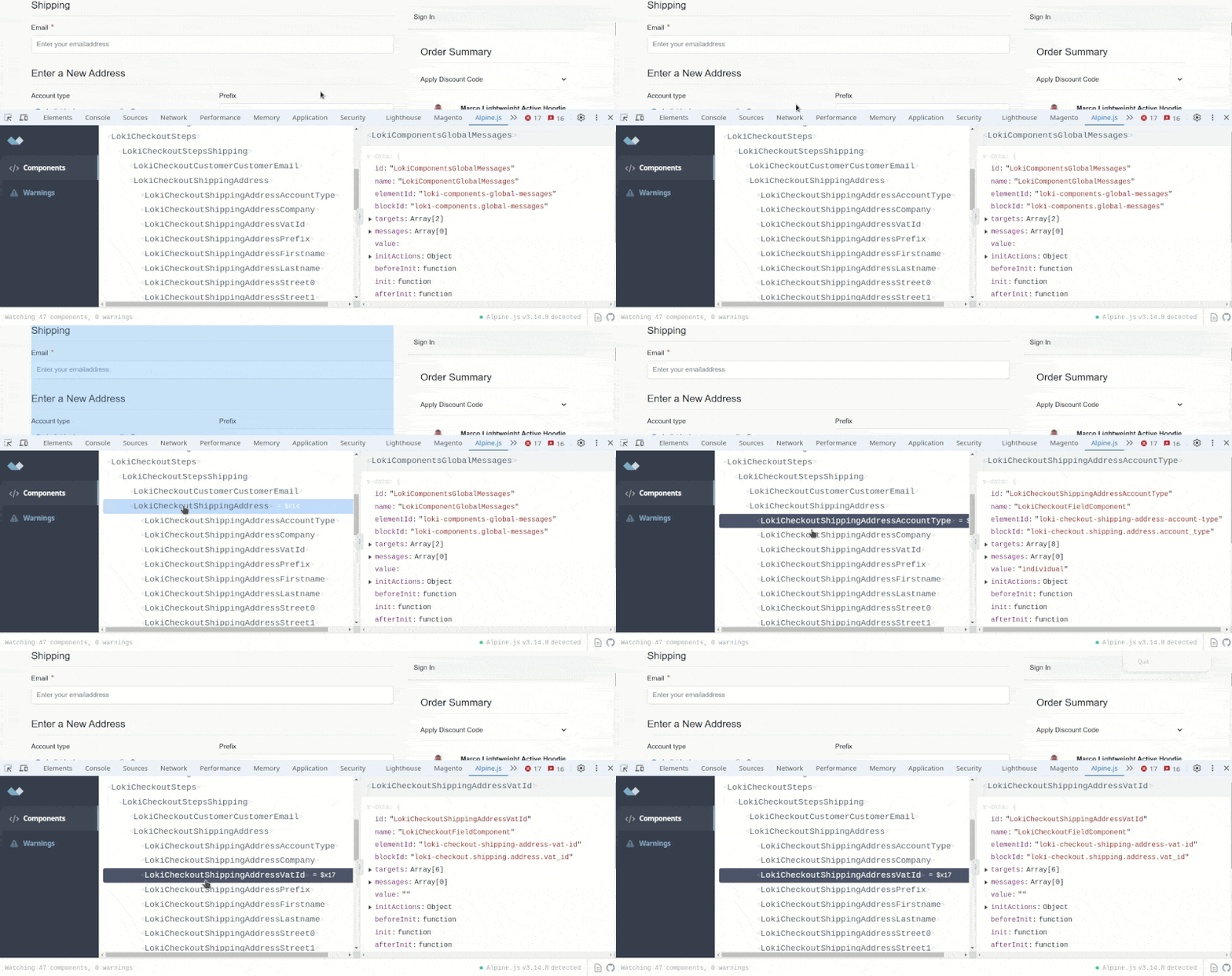
Loki uses a tree of Loki Components, so you can easily work on individual components without breaking the rest: Adding new fields, customizing existing new templates, changing error messages, using other icons, swapping steps. And a lot of things are configurable through the XML layout.
Switching countries
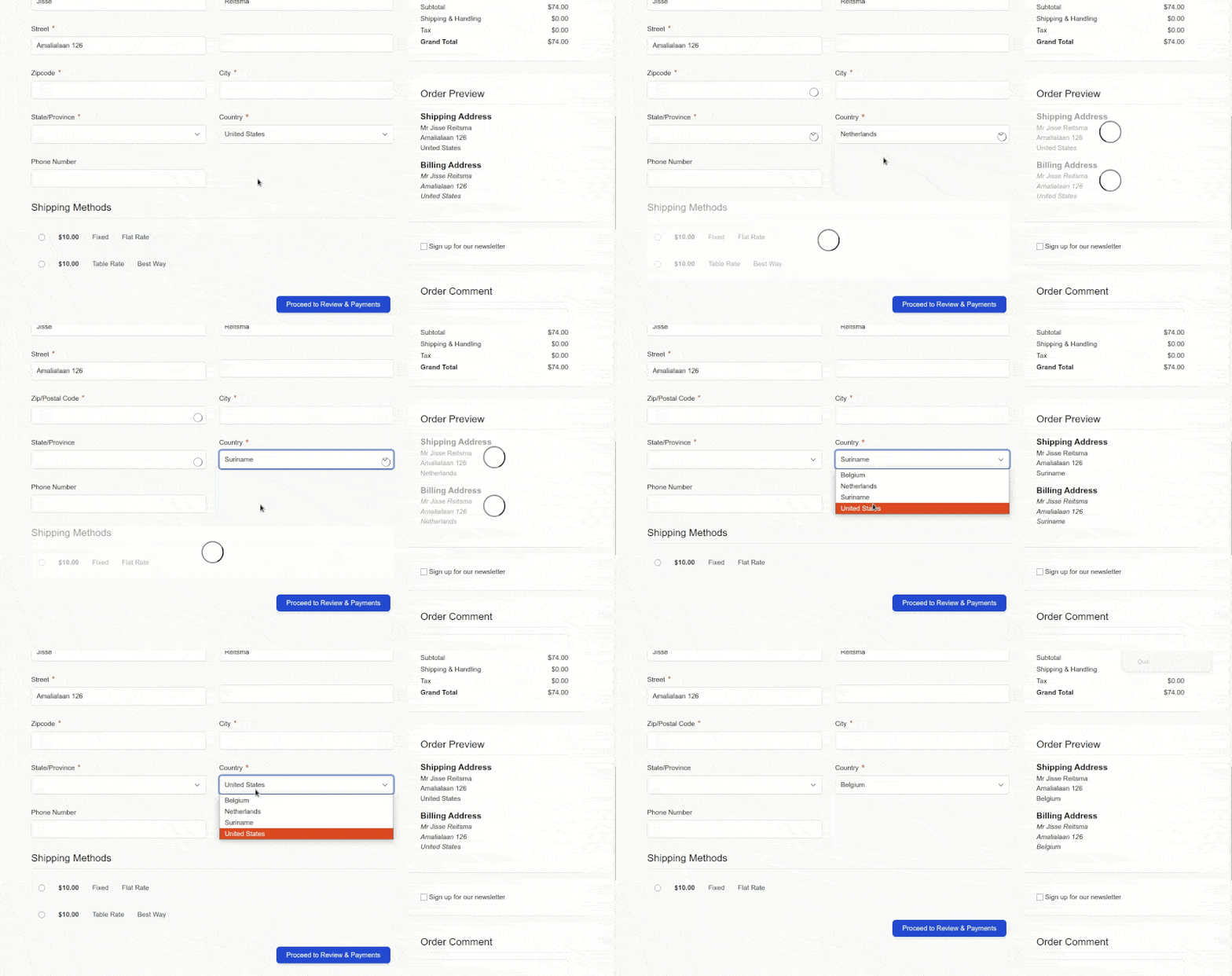
Whenever the country is changed (in other words: the value of that specific Loki Component is updated), it will update other components (by default, the region - which is either a text-field or a select-field - and the postcode) within a single HTTP request.
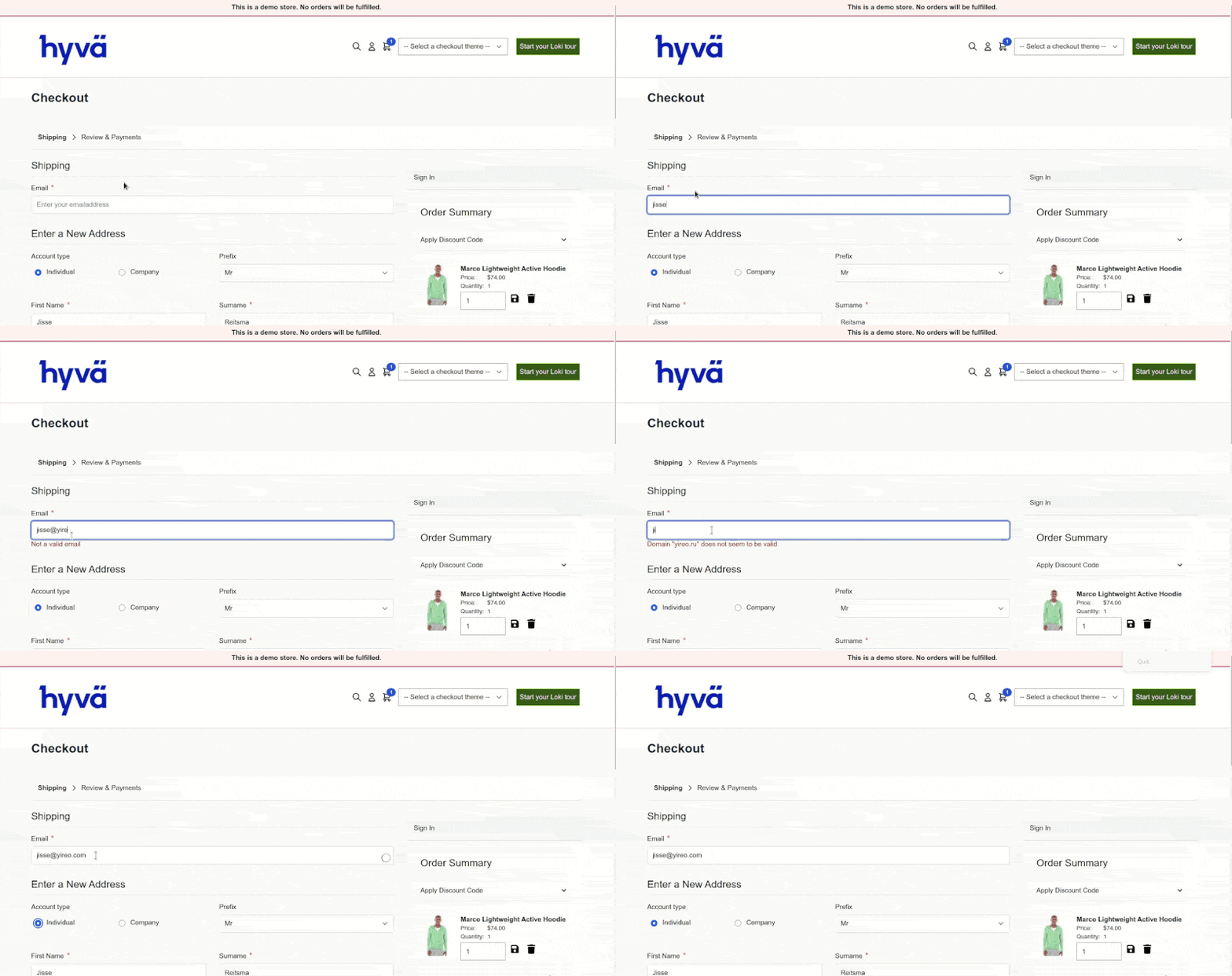
Validation via client & server
Every field component offers both client-side (JavaScript) validation and server-side (PHP) validation. Validators are easily configured through a dedicated Loki XML or the XML layout. New validators in both PHP and JS are registered without a fuzz.
Loki Checkout skins
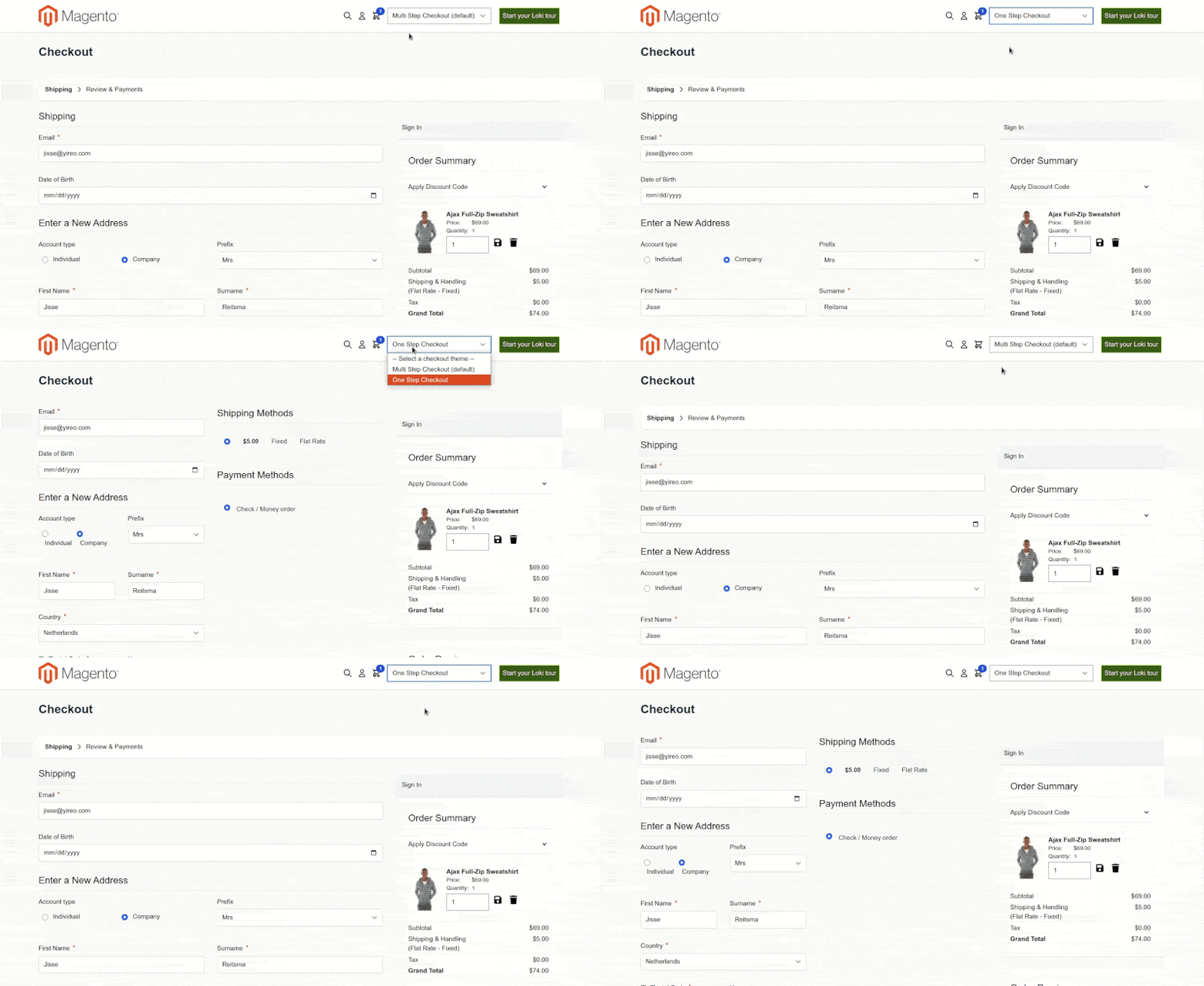
The Loki Checkout comes with a one-column and multi-column skin. Pick the one you like. Each skin is actually nothing more than an XML layout handle, so it is easy to create your own: Move the blocks around, add styling, voila. Each component (including fields and steps) is designed to be re-positioned with ease. When a component is moved from one step to another step, it automatically detects the current step it is in - no further configuration needed.